
Australian sourcing · Regional floral varieties
B Honey
An everyday honey brand with a story about bee biosecurity.
Get to know B Honey’s background, its connection to Bega and the regional varieties behind the purple packaging. Then compare formats before deciding what belongs in your pantry.
Meet the producerExplore the honeyAn Aussie Honey producer guide · Updated 25 September 2026

- Launched
- May 2020
- Background
- A Bega honey brand
- Explore
- Squeeze packs & regional varietals
01 / Meet the producer
A new honey brand with a wider bee story
Bega launched B Honey nationally through retailers in May 2020. Its 2020 sustainability report links the launch to investment in the Purple Hive Project, a technology initiative focused on bee biosecurity. This gives the brand a different starting point from a family apiary that has sold honey for generations.
B Honey’s website continues to identify the brand as Australian owned and sourced by Bega. It describes the honey as sourced from Australian beehives and presents the Purple Hive Project as part of its commitment to the local honey industry.
When considering that story, separate the product from the initiative. A jar’s variety, origin statement and ingredients help you choose honey; the project background explains the brand’s wider interests. This guide does not attach an unverified donation amount or environmental outcome to each purchase.
Sources: Bega launch and project background, 2020 report · Brand and Purple Hive Project background
02 / A sense of place
Look to the floral source, not a single farm gate
B Honey is presented as an Australian-sourced brand rather than honey from one named farm. Its current product page associates Red Gum honey with the Murray River region and Ironbark honey with north-eastern Victoria.
Those regional descriptions relate to the named varieties, not automatically to every squeeze bottle. No public B Honey farm-gate attraction is confirmed in the sources used here. Use the individual label when local origin is a priority.
Sources: Current range and regional varieties
03 / Get to know the honey
Which part of the range interests you?
The everyday squeeze bottles are offered in different quantities. Named floral varieties are a separate comparison: check which variety is actually on the label.
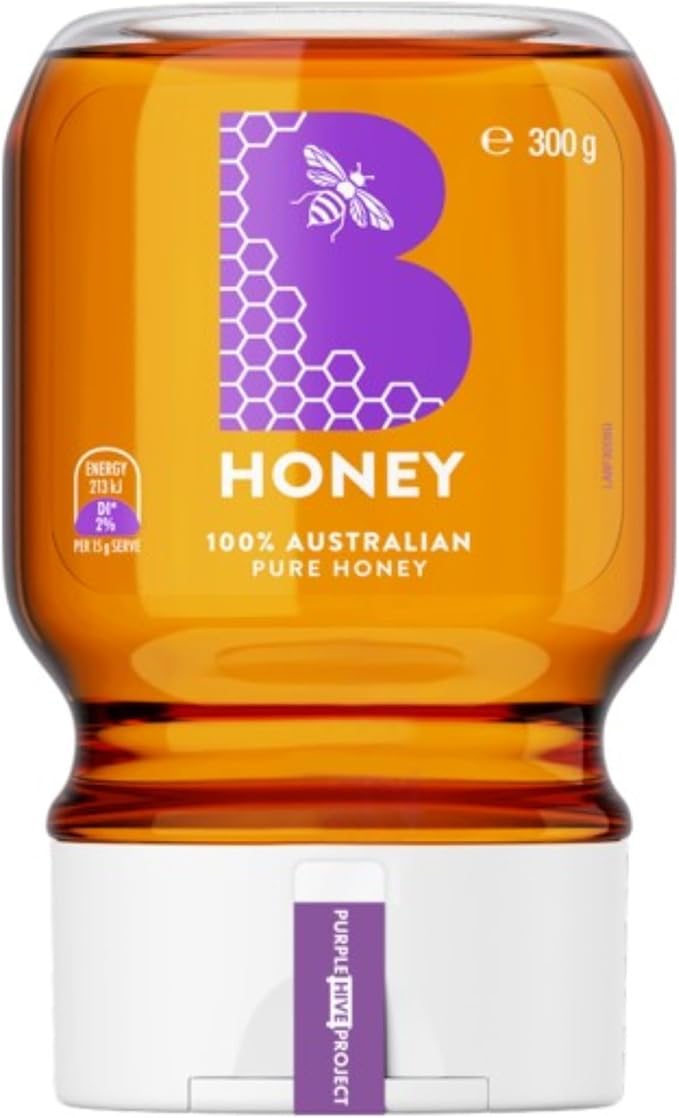
A smaller starting point
300g squeeze
A smaller bottle may suit an occasional honey user or someone trying the everyday range. Compare the unit price, but also consider how much you want to store.
For regular pantry use
450g & 750g squeeze
The current producer page lists both sizes. Check cost per 100g and whether the larger bottle is comfortable to handle; a larger pack is not automatically the better choice.
Red Gum and Ironbark
Regional varieties
The producer describes Red Gum from the Murray River region and Ironbark from north-eastern Victoria. Look for the named variety if exploring floral origin is your main interest.
Sources: Current range and regional varieties
Range overview, not a live stock list. Images show packaging held in our directory; check the current label before buying.
04 / Make it personal
What would you like from your honey?
Open the option that sounds most like you.
I want a convenient breakfast bottle
Compare the everyday squeeze sizes. Think about cupboard space, who will use the bottle and whether easy portioning matters more to you than buying the largest pack.
I want a regional honey
Look for the Red Gum or Ironbark variety and check its current origin description. Compare it with another named floral honey rather than assuming the everyday blend has the same source.
I am interested in the bee initiative
Read the background above and the source notes below. Treat the Purple Hive Project as a separate topic from how the honey tastes or which pack offers the best value for your household.
These are editorial shopping suggestions, not taste-test results or paid rankings.
05 / Your questions
More about B Honey
Who is behind B Honey?
Bega launched B Honey in 2020. The brand’s website identifies it as Australian owned and sourced by Bega.
Where does B Honey come from?
The brand describes Australian sourcing. Its named Red Gum and Ironbark varieties have more specific regional descriptions; a single origin should not be assumed for the whole range.
Is B Honey a farm I can visit?
The information reviewed for this guide does not confirm a public farm-gate visitor experience. It is better understood here as a retail honey brand with Australian sourcing.
Does every bottle fund a fixed donation?
The sources describe Bega’s involvement with the Purple Hive Project, but this guide has not verified a fixed donation per bottle. We do not make that purchase claim.
06 / Keep exploring Aussie Honey
Two producer stories to read next
Compare the people, places and honey styles before choosing where to shop.
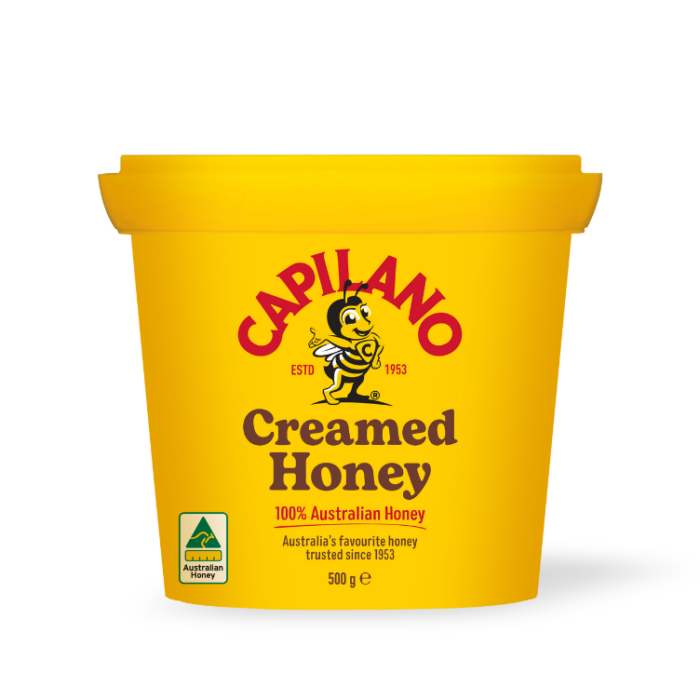
Capilano Honey
Compare another broad Australian honey range and its producer history.
Read the Capilano Honey guide →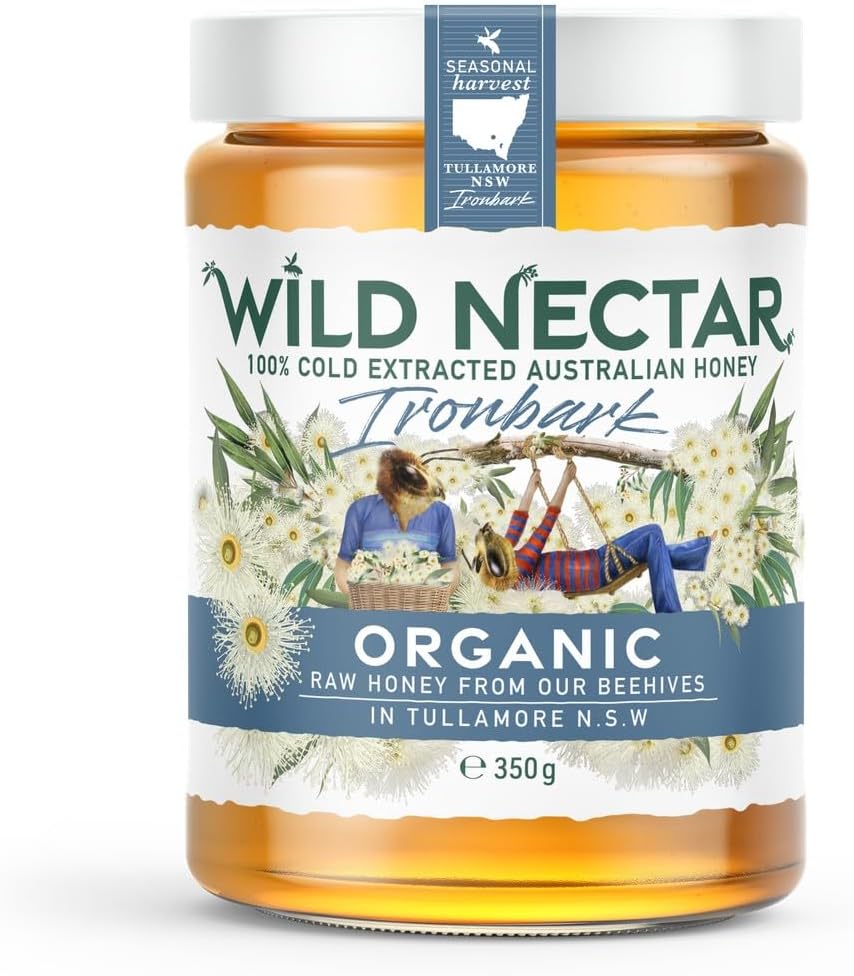
Wild Nectar
Explore how another brand explains floral origin, hive regions and pack formats.
Read the Wild Nectar guide →Sources and how we put this guide together
Compiled from the producer information below and reviewed on 25 September 2026. Brand history, locations and range details are attributed to those sources. Our choosing and comparison tips are editorial suggestions; we have not conducted a hands-on taste test. Source links open external websites.
- Bega launch and project background, 2020 report
- Brand and Purple Hive Project background
- Current range and regional varieties
Spotted something that has changed? Send a correction to Aussie Honey.
Ready for the next step?
You can keep comparing on Aussie Honey, or visit the producer for current products, stock and delivery details.
Keep exploring honey brandsVisit B Honey website ↗The producer link leaves Aussie Honey. We are a guide and directory, not the seller. This is not an Amazon affiliate link.
Back to the top ↑